
Diabetes is a well-known term that almost everyone today has heard of. But do people really understand what it truly is? Some might even wonder, “Does ‘sugar urine’ mean that there is too much sugar in the urine? Is that really so serious?” Let’s quickly but thoroughly explore why diabetes is a serious health threat, increasing the risk of heart attacks, leading to kidney failure, nerve damage, vision loss, and damaging many organs.
Early Symptoms of High Blood Sugar
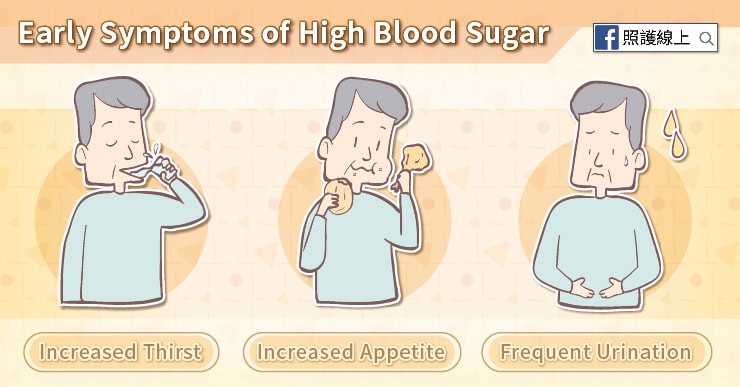
The early symptoms of diabetes are often not obvious, and about one-third of patients are unaware that their blood sugar is too high. The most noticeable early symptoms are the so-called “three polys”: polyuria (frequent urination), polydipsia (excessive thirst), and polyphagia (increased appetite). In other words, diabetic patients often feel thirsty and dry-mouthed, drinking large amounts of water. At the same time, they urinate frequently, have an increased appetite, but still appear to lose weight!
Symptoms When Blood Sugar Rises Further
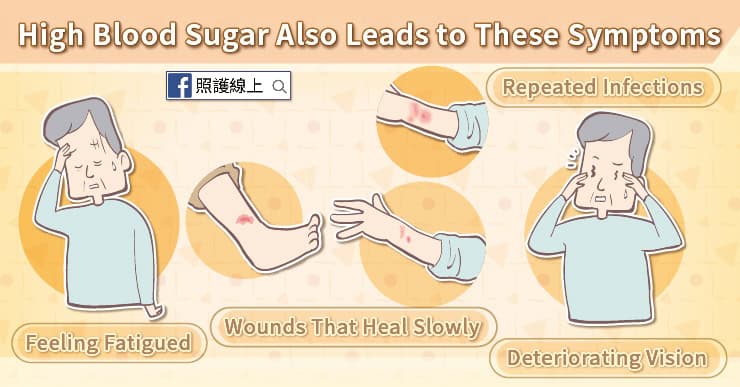
If blood sugar continues to rise unnoticed, patients may begin to feel fatigued and notice that their vision seems to deteriorate. Some may experience frequent headaches or find that wounds (especially leg wounds) do not heal easily. Some patients may visit the hospital due to painful urination caused by recurring urinary tract infections, while others may consult a dermatologist for persistent skin itching, only to discover they have recurring fungal infections.
High blood sugar can also affect a patient’s sexual life. Women may experience vaginal dryness, and up to 70% of male diabetic patients may suffer from erectile dysfunction.
What Exactly Is Diabetes?
The term “sugar urine,” or the presence of excessive sugar in the urine, is one of the symptoms or consequences of diabetes. The biggest issue with diabetes is that the patient’s body is inefficient at converting carbohydrates into energy, leading to elevated blood sugar levels.
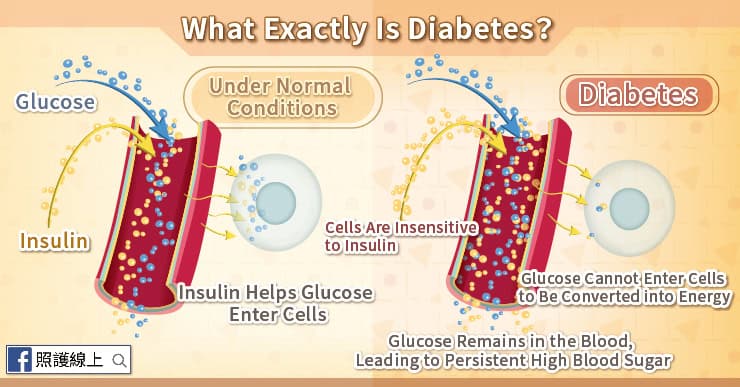
We eat daily to allow our bodies to convert food into energy, which sustains our lives. Under normal circumstances, after eating, the digestive system breaks down carbohydrates, producing glucose that enters the bloodstream. At this point, the pancreas secretes insulin into the bloodstream, which helps glucose enter cells and convert into fuel for muscles or cells.
When someone has diabetes, it means that their cells do not respond effectively to insulin. Even when insulin is present in the bloodstream, the cells remain unresponsive, unable to utilize the sugar in the blood. As a result, the sugar stays in the blood, leading to what we call “high blood sugar.” Initially, the pancreas works harder to secrete more insulin in the hope that the cells will use more, but over time, the pancreas becomes exhausted and can no longer release enough insulin, causing blood sugar levels to rise even higher.
Why Is High Blood Sugar Bad?
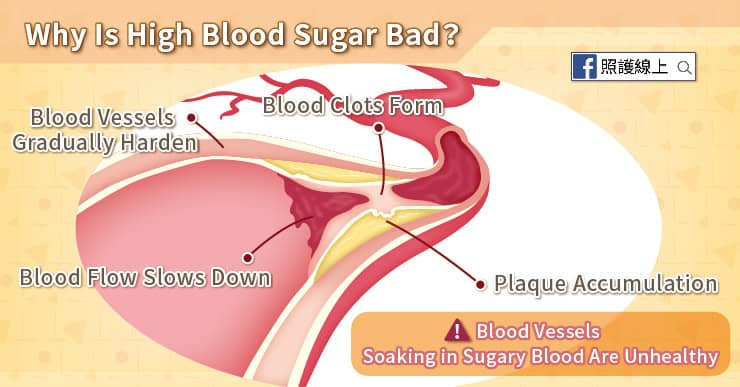
High blood sugar primarily damages blood vessels throughout the body. Blood vessels constantly soaking in sugary blood face significant problems. When blood vessels are damaged, it leads to further organ damage.
High blood sugar causes more plaque to accumulate in blood vessels, slowing blood flow, possibly leading to clots, and gradually hardening the arteries. This can result in sudden heart attacks or angina. Thus, diabetic patients are at a higher risk of sudden death due to cardiovascular disease.
Common Complications of High Blood Sugar
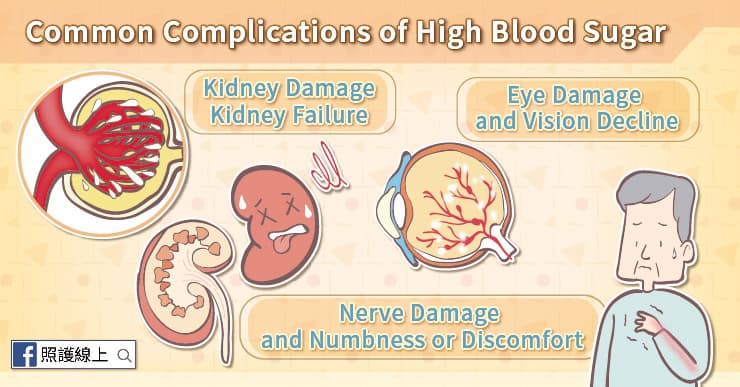
The most common complications of high blood sugar involve the kidneys, eyes, and nerves. These organs have many small blood vessels supplying them with nutrients and oxygen, so when blood sugar damages these vessels, they are easily injured.
Almost half of the current dialysis patients suffer from kidney failure due to diabetes. Unfortunately, there’s a common misconception that “taking diabetes medication or insulin causes kidney failure.” In reality, poor blood sugar control is the true culprit behind worsening kidney conditions.
Eye problems are similar. High blood sugar makes the blood vessels in the retina fragile, leading to repeated bleeding and swelling, gradually impairing the patient’s vision. The nerves most likely to be affected are those in the extremities, like fingers and toes, which may feel numb, tingly, or as if ants are crawling on them—very uncomfortable. These organ damages caused by high blood sugar are difficult to reverse!
Diabetes is not as terminal as cancer, but it can be extremely challenging, significantly impacting the quality of life.
My Parents Have Diabetes—Am I Doomed?
Age, gender, race, and family history are unchangeable risk factors, like the cards dealt by fate. Although being over 45, having a family history of diabetes, or being Asian are risk factors for developing diabetes, adopting a healthy lifestyle can still reduce the chances of high blood sugar. If your family has a history of diabetes, it’s advisable to undergo screening once you reach adulthood.
How Can You Reduce the Risk of Diabetes?
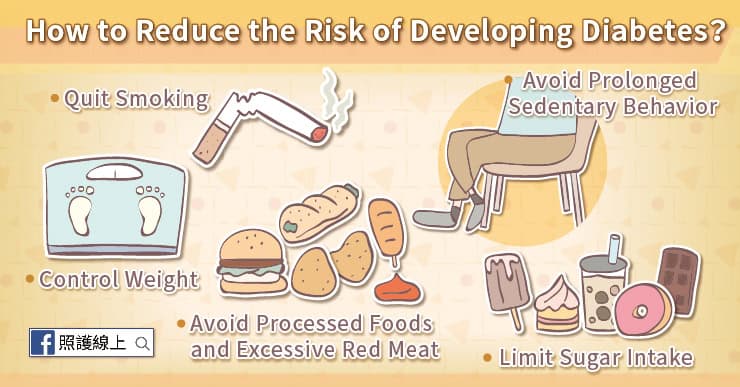
– Being overweight with a large waist circumference
– Leading a sedentary lifestyle
– Smoking
– Consuming too much red meat and processed foods
– Eating too many sweets
These are all risk factors for developing diabetes. Therefore, to control blood sugar, we need to manage weight, stay active, quit smoking, avoid processed foods and excessive red meat, and limit sugar intake.
What to Do After Being Diagnosed with Diabetes?
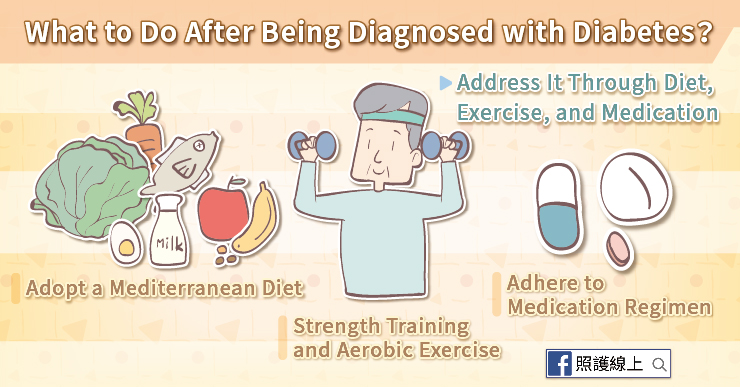
Remember to adjust your lifestyle in three areas: diet, exercise, and medication!
In terms of diet, don’t rush to buy supplements or health products. Start by reading “Must-Read: 15 Dietary Traps Most Associated with Death,” which explains that most dietary issues stem from “eating too little healthy food.” Focus on consuming more natural vegetables, fruits, whole grains, dairy, and fish.
Develop a regular exercise habit. Whether it’s strength training or aerobic exercise, both can improve cells’ sensitivity to insulin, making them more effective in utilizing insulin and lowering blood sugar. You can refer to “Bone Training? Balance Training? Cardio Training? The Effects of Different Exercises” and “Home Workout Guide” to get started.
If your doctor recommends medication to control your blood sugar, take the medication as prescribed. Diabetes medications work in various ways: some reduce the absorption of starch in the digestive tract, some increase cells’ sensitivity to insulin, some stimulate the pancreas to secrete more insulin, or reduce insulin breakdown. If the pancreas is already failing, insulin injections will be necessary.
Of course, you should also relax. Stress can cause your blood pressure and blood sugar to remain high. Follow your doctor’s advice to regularly monitor your blood sugar at home so you can know whether your blood sugar is well-controlled or not!