
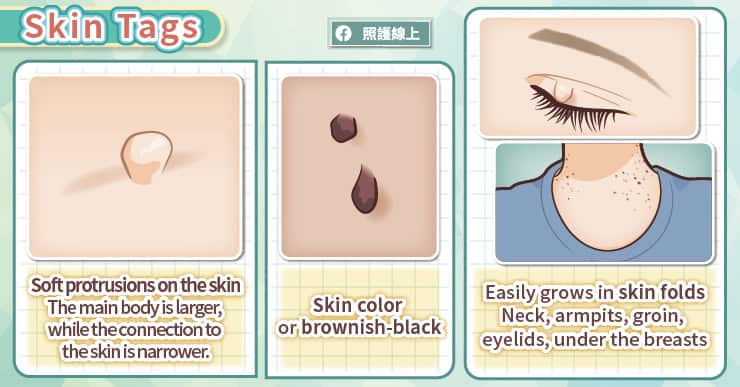
Skin tags are a very common type of epidermal change. They appear as small, soft protrusions and are sometimes described as “fleshy bumps.” Skin tags typically have a larger “head” and a narrower “neck” connecting them to the skin’s surface. Most skin tags are about 0.2 to 0.5 cm in size. Some remain the same size, while others may grow larger over time, becoming more noticeable. Rarely, they can grow to more than 1 or 2 cm.
Skin tags usually match the skin color but can become darker, turning brown or even black over time. If the tag’s head and neck are similar in color, it might be mistaken for a raised mole.
Common Locations and Symptoms of Skin Tags
Skin tags are quite common, and people often develop multiple tags rather than just one. They frequently appear on areas prone to friction, such as the neck, armpits, groin, eyelids, and beneath the breasts. These areas are prone to friction and skin irritation, which can lead to the development of skin tags.
In most cases, skin tags don’t cause discomfort, but some larger ones may be painful due to friction or may bleed slightly.
Causes of Skin Tags
Skin tags are benign growths and not cancerous. They are mostly an issue of appearance and do not typically affect health. However, many people wonder, “Why me? Why do I have so many small tags on my neck? It’s so unattractive!”
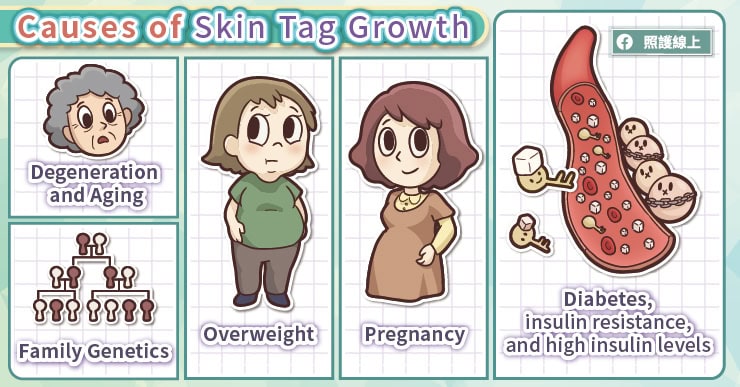
Factors contributing to the development of skin tags include aging and genetic predisposition (if family members have them). High levels of growth hormones during pregnancy can also contribute. Research shows that people who are overweight, have diabetes, insulin resistance, or high insulin levels in the blood are more prone to skin tags. This suggests a potential association between skin tags and an increased risk of cardiovascular disease. If you notice many skin tags, it’s a good idea to check your blood sugar, blood pressure, and cholesterol levels to assess for metabolic syndrome.
Dealing with Skin Tags
Do not self-diagnose skin tags. Other skin conditions, such as moles, viral warts, or seborrheic keratoses, may look similar. It is best to have a doctor examine any concerning skin changes. Usually, skin tags don’t require special testing, but if another skin issue is suspected, a biopsy might be needed for diagnosis.
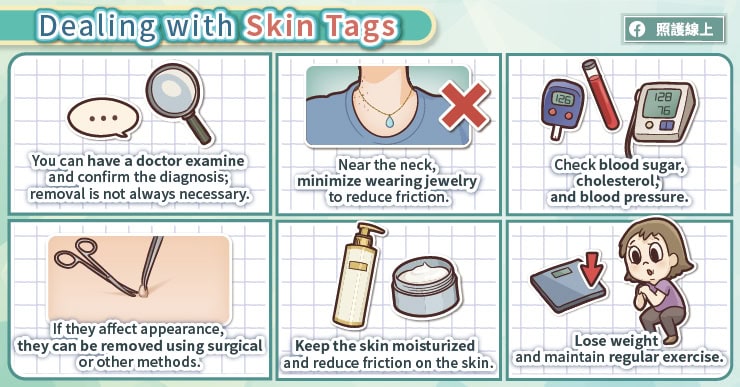
If skin tags affect your appearance or are in a location prone to friction, causing pain or bleeding, consider removal. There are home remedies, but they are not always safe and can lead to scarring, excessive bleeding, or infection.
At a clinic or hospital, doctors can remove skin tags using liquid nitrogen (cryotherapy), electrosurgery, laser removal, or surgical excision, which are safer and more effective methods.
To prevent new skin tags, maintain good skin hydration, avoid wearing jewelry that causes friction around the neck, and if overweight, focus on weight loss and regular exercise.
Conclusion on Skin Tags
Skin tags are small growths on the epidermis that can affect appearance when numerous. Consider seeing a doctor for removal if needed. Additionally, those with many skin tags should check their blood sugar levels and maintain a healthy weight.