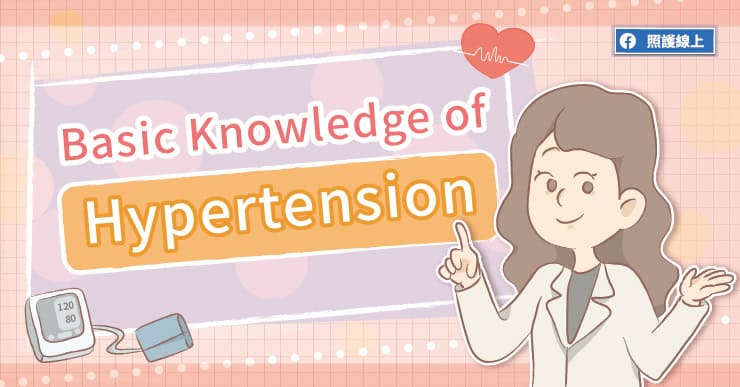
You often hear the term “hypertension.” Indeed, the prevalence of hypertension is high nowadays, but many patients do not regularly manage their blood pressure. Whenever they measure their blood pressure and find it elevated, they might say, “Oh, I was just in a hurry,” or “I’m just a bit nervous right now,” explaining the high reading as a temporary situation. They often believe their “high blood pressure is just temporary” and do not consider hypertension as a condition that requires long-term attention. Today, let’s return to the basics and understand what hypertension is and why everyone needs to monitor their blood pressure.
Blood Pressure
First, what is blood pressure? In ancient times, there were often wars, and to defeat cavalry, the opponents would point long spears at the charging horses, attempting to knock them down. When the horse fell, and a final blow was delivered, people noticed that blood would spurt high into the air like a fountain. At that moment, they realized, “Wow! Blood flows through the body with great force.” This was the beginning of awareness about “blood pressure.”
Simply put, there is blood flowing in our blood vessels, and this flowing blood exerts pressure on the vessel walls. This pressure is called blood pressure.
Hypertension
When talking about blood pressure, you might recall hearing numbers like 137/86 mmHg and terms like “systolic pressure” and “diastolic pressure.” What does 137 represent, systolic or diastolic pressure?
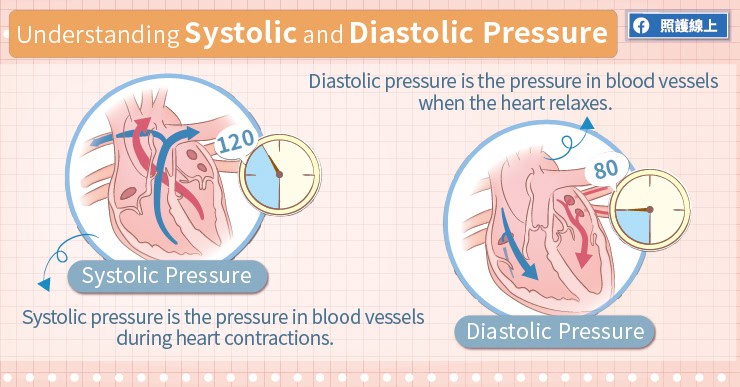
Systolic pressure represents the pressure on the blood vessels when the heart contracts, while diastolic pressure is the pressure on the blood vessels when the heart relaxes. Therefore, when the heart contracts and exerts force, the pressure on the blood vessels is higher, so the systolic pressure value is written first, the higher number. So, a blood pressure reading of 137/86 means the systolic pressure is 137 mmHg, and the diastolic pressure is 86 mmHg.
Currently, a normal systolic pressure is considered to be less than 120 mmHg and a diastolic pressure less than 80 mmHg. Combined, they are recorded as 120/80 mmHg, which is considered a healthy blood pressure. If someone has “hypertension,” it means their blood vessels are under higher pressure than normal. The older standard for hypertension was set at 140/90 mmHg, but now the consensus has lowered the standard to 130/80 mmHg. So, if a blood pressure reading exceeds 130/80 mmHg, it is considered hypertension.
Misunderstandings about Hypertension
Often, patients who occasionally measure their blood pressure and find it over 130/80 mmHg might say, “Really? I didn’t know,” or “But I don’t feel uncomfortable. Isn’t hypertension supposed to cause headaches?”
Well, this is a common misunderstanding.
1. Hypertension usually doesn’t cause any symptoms. Without measuring, very few people would know they have high blood pressure.
2. Although headaches can be caused by hypertension, there are many other causes of headaches that aren’t necessarily related to high blood pressure.
3. Many people think that high blood pressure should cause symptoms like headaches, dizziness, or neck pain, but most hypertension patients usually feel nothing. Hypertension is like a “silent killer,” and when an incident occurs, it often results in severe outcomes.
What Happens If Blood Pressure Is Not Controlled?
When first diagnosed with hypertension, most patients tend to deny it is a problem and refuse to change their lifestyle to improve their blood pressure. Therefore, we should ask: What happens to the body if blood pressure is not controlled?
Think about it: all organs need blood flow to function, but if the blood flowing through them is under extremely high pressure, is it beneficial for the organs? No. Just as high voltage can damage electrical appliances and high water pressure can damage pipelines, high blood pressure damages organs. Uncontrolled hypertension continuously harms the body’s organs, eventually leading to heart failure, myocardial infarction, aortic dissection, stroke, vision loss, and kidney failure.
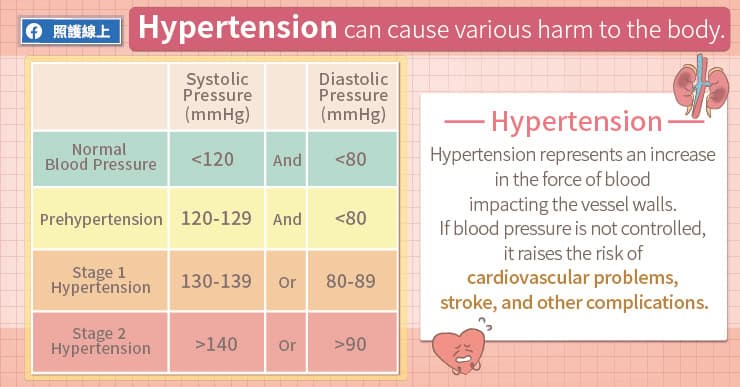
So, if asked, “Why do we need to control blood pressure?” remember that uncontrolled hypertension can cause multiple organ damage and ultimately lead to death from related complications.
Why Do Modern People Have Hypertension?
Many people think “hypertension is a scam of modern medicine” or ask, “Didn’t people in the past have hypertension?”
Well, it should be said that people in the past also had high blood pressure, but they didn’t understand the problems it caused, so they didn’t have the concept of controlling blood pressure. How can we prove that people in the past had high blood pressure? We can look at the blood pressure records of President Franklin D. Roosevelt during World War II. When he was 54 years old and running for his second term, his blood pressure was 162/98 mmHg; during his third term, it was 188/105 mmHg. By his fourth term, his systolic pressure had exceeded 200 mmHg, generally ranging between 200 and 240 mmHg. When he suddenly collapsed, his systolic pressure had surged past 300 mmHg, resulting in a massive cerebral hemorrhage stroke, and he died at 63 years old after being in a coma for over two hours.
You might think, “That blood pressure is outrageous! How could his systolic pressure always exceed 200 mmHg? As President of the United States, wasn’t he controlling his blood pressure?” Actually, the medical view was different then. People believed that high blood pressure was a “natural feedback mechanism” and that blood pressure “had to” increase with aging. Thus, in the 1940s, many people in their early 40s had extremely high blood pressure, and while they had no symptoms, they gradually hospitalized due to angina, heart failure, stroke, or kidney failure, and soon died. Even as President, Roosevelt followed this path of stroke and organ failure due to uncontrolled hypertension.
Later, clinical medicine discovered that patients’ symptoms like hematuria and headaches significantly improved when their blood pressure decreased. People gradually understood the negative impacts of hypertension on the heart, liver, kidneys, endocrine, and nervous systems, realizing that controlling blood pressure was crucial to reducing deaths and disabilities caused by vascular diseases.
Preventing Hypertension
Many unhealthy lifestyle habits can raise blood pressure, such as eating a lot of fatty foods, greasy fast foods, or heavily salted foods and sauces. Low physical activity, frequent sedentary behavior, or obesity also contribute to higher blood pressure. Additionally, smoking, tobacco use, and excessive alcohol consumption are risk factors for hypertension.
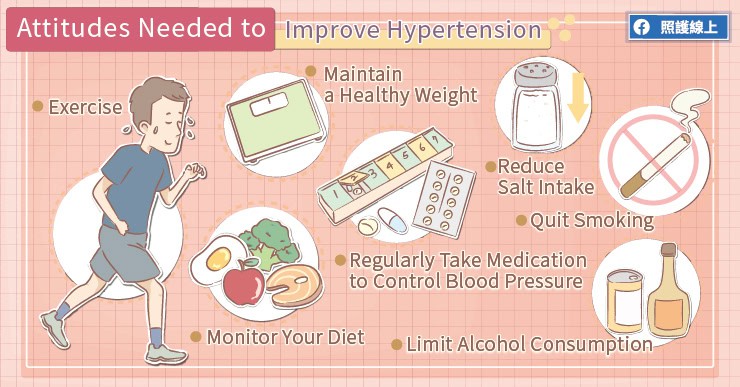
To prevent hypertension, it is best to exercise five days a week for 30 minutes each day. Maintain a healthy diet, eating fresh vegetables, fruits, and minimally processed foods, and limit salt and alcohol intake. Avoid smoking and reduce stress in life.
If lifestyle changes do not sufficiently lower blood pressure, consider medication to control it. Regularly monitor your blood pressure to stay aware of its condition.